NASA Astronomy Picture of the Day
From fsxNet's FSX_IMGE file echo.
The Eclipse and the Stork
Thursday, 3 September 2026
                        Astronomy Picture of the Day

    Discover the cosmos! Each day a different image or photograph of our
      fascinating universe is featured, along with a brief explanation
                    written by a professional astronomer.

                              2026 September 3
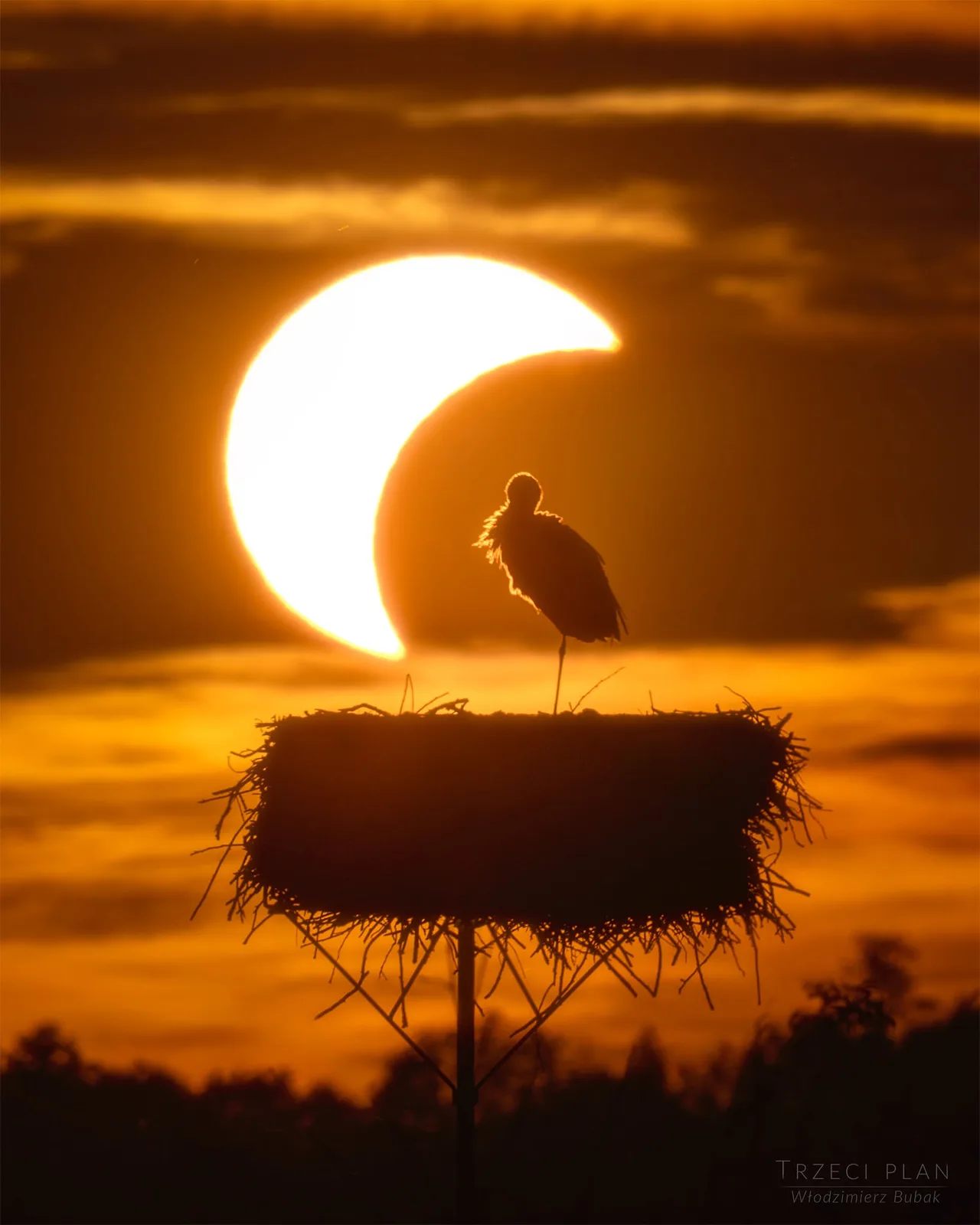
    A sunset view of the solar eclipse, framed behind a stork standing on
                            one leg in her nest.

                          The Eclipse and the Stork
                 Image Credit & Copyright: Włodzimierz Bubak
             Text: Cecilia Chirenti (NASA GSFC, UMCP, CRESST II)

   Explanation: How do animals react to a total solar eclipse? The
   featured image shows a stork roosting on her nest in Poland at a
   partial phase of the recent total solar eclipse. If you are lucky
   enough to experience a total eclipse somewhere quiet and close to
   nature, you may be able to notice unusual daytime animal behaviors.
   During totality, you may hear nighttime sounds like crickets and frogs
   and see fireflies. In the dark, most birds are quiet. Thinking that it
   is time to go to bed, ducks and other waterfowl prepare to sleep on one
   leg, with their heads turned around and their beaks tucked into their
   back feathers (they don't really sleep with their heads tucked under
   one wing). When sunlight returns at the end of totality, songbirds
   greet the new "morning" with their dawn songs. The crickets and frogs
   go quiet again. Animals and people resume their lifes, only briefly
   disturbed by the chance alignment of our Sun and Moon.

           APOD's main NASA site is moving : From apod.nasa.gov to
                            science.nasa.gov/apod
                          Tomorrow's picture: aloha
     __________________________________________________________________

       Authors & editors: Robert Nemiroff (MTU) & Jerry Bonnell (UMCP)
            NASA Official: Amber Straughn Specific rights apply.
                  NASA Web Privacy, Accessibility, Notices;
                      A service of: ASD at NASA / GSFC,
                           NASA Science Activation
                             & Michigan Tech. U.
Recent days
 Sep 29Sh2-188: The Shrimp Nebula
 Sep 27Andromeda before Photoshop
 Sep 26Mirrored Meteor and Milky Way
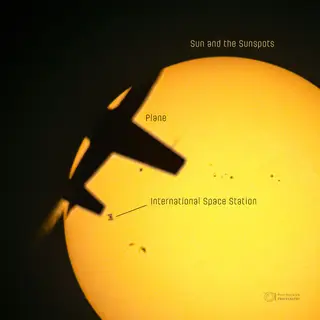 Sep 22Chance Triple Alignment: Plane, Space Station, Sun
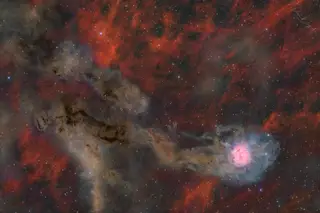 Sep 21Cocoon Nebula Wide Field
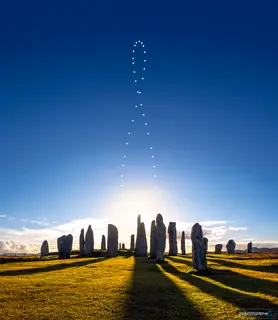 Sep 20Analemma over the Callanish Stones
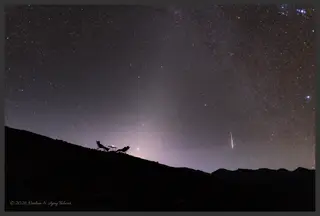 Sep 19A Zodiacal Night
 Sep 18Messier 33: The Triangulum Galaxy
 Sep 17A Treasure Chest in the Carina Nebula
 Sep 16Webb's View of M64
 Sep 15A Daytime Eclipse: Moon Occults Venus
 Sep 14Where Your Elements Came From